Contact Us
Looking for employment? Click here »
Key Reasons to Use Third-Party Logistics for Warehousing and Distribution
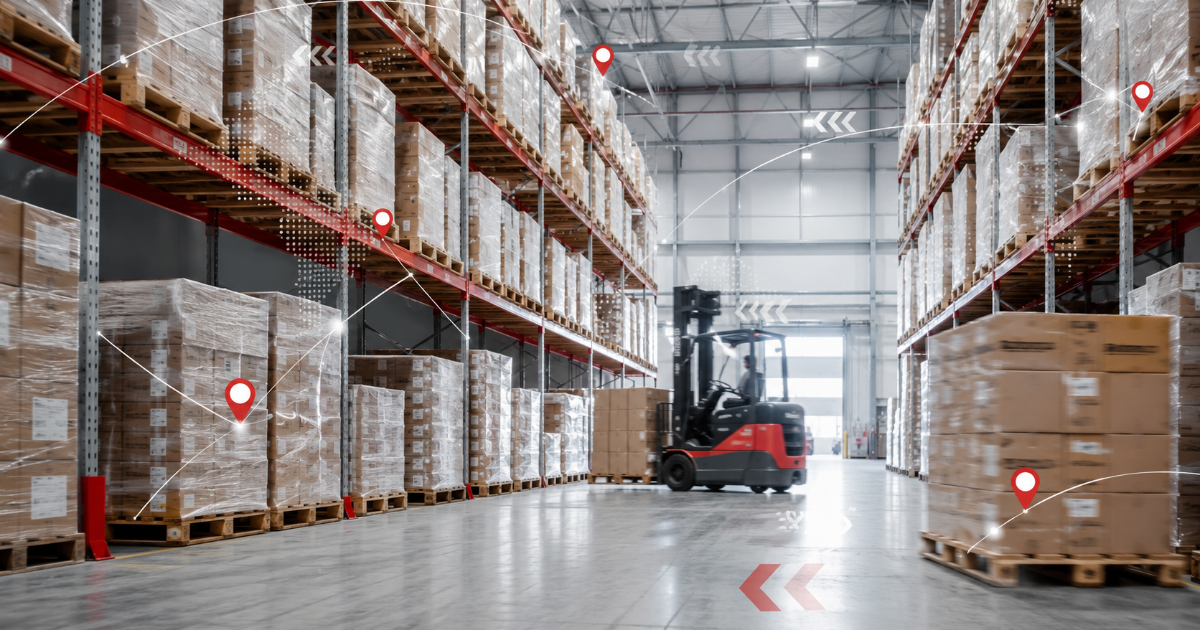
When your warehouse is working, it is easy to take it for granted.
Product comes in. Inventory gets stored. Orders move out. Customers stay happy.
But when space gets tight, labor is stretched, orders start stacking up, or freight timing gets unpredictable, warehousing can quickly become one of the biggest pressure points in your operation.
That is where third-party logistics comes in.
A third-party logistics provider, often called a 3PL, helps companies manage key parts of their supply chain, including warehousing, inventory control, material handling, distribution, and transportation support. For manufacturers, suppliers, and growing companies, the right 3PL warehouse partner can create room to move without forcing the business into a costly building expansion, long-term lease, or new internal logistics department.
At its best, third-party logistics is not just about finding extra space. It is about building flexibility into your operation.
The Biggest Reason to Use a 3PL: Flexibility
Every company wants growth. Not every company has the warehouse capacity to handle it.
Maybe production is increasing. Maybe a customer order is larger than expected. Maybe peak season is coming faster than your team planned for. Maybe your facility is landlocked and there simply is not more room to add storage, staging, or overflow inventory.
In those moments, flexibility matters.
A 3PL provider gives your company access to warehouse space when and where you need it. Instead of taking on the cost of building, leasing, staffing, and managing additional space on your own, you can partner with a logistics company that already has the warehouse infrastructure, equipment, and people in place.
That is especially valuable for companies dealing with palletized freight, seasonal inventory, raw materials, finished goods, or overflow storage. You may not need a new building. You may need the right warehouse partner.
Flexible 3PL warehousing allows your business to adjust as demand changes. When volume goes up, you have space to support it. When inventory levels normalize, you are not stuck carrying the same level of fixed overhead.
That flexibility can be the difference between reacting to a problem and staying ahead of it.
Third-Party Logistics Helps Control Warehousing Costs
Owning or leasing warehouse space comes with more than a monthly payment.
There are labor costs. Equipment costs. Utility costs. Maintenance costs. Insurance considerations. Technology needs. Safety requirements. Material handling needs. Management time. And if the space is not fully used, your company is still paying for empty square footage.
A 3PL warehouse can help companies avoid some of those fixed costs by turning warehousing into a more scalable solution.
Instead of committing to more permanent space than you need, you can use a third-party logistics provider to support the specific storage, distribution, and inventory needs of your operation. That can be a short-term overflow solution, a longer-term warehousing strategy, or a combination of both.
For many companies, this is not just about cutting costs. It is about avoiding the wrong costs.
An expansion that happens too early can drain resources. A lease that is too large can leave your company paying for unused space. A warehouse that is too far from customers can create freight headaches. A team that is stretched too thin can lead to inventory errors and missed opportunities.
The right 3PL provider helps you control costs by matching your warehousing solution to your actual business needs.
A 3PL Keeps Product Moving
Storage is important, but warehousing is only one part of the equation.
Your product still needs to be received, handled, tracked, staged, and moved. That is why companies often look for a third-party logistics provider that can offer more than empty warehouse space.
A strong 3PL partner can support:
- Receiving and storage
- Inventory control
- Material handling
- Order staging
- Distribution services
- Truckload and LTL coordination
- Pallet-in, pallet-out warehousing
- Long-term or short-term storage needs
When these pieces work together, your supply chain becomes easier to manage. Your internal team is not chasing inventory, coordinating every movement, or trying to solve warehousing problems while also managing production, sales, purchasing, and customer expectations.
A good 3PL helps simplify the process.
That matters because customers are not just measuring whether you have product. They are measuring whether you can deliver it when they need it. If inventory is hard to locate, slow to move, or stuck in the wrong place, the entire operation feels it.
Location Can Make or Break Your Distribution Strategy
Warehouse location is one of the most important parts of any logistics strategy.
A warehouse may have plenty of space, but if it is not located near key shipping routes, customers, suppliers, or production facilities, it can create unnecessary freight costs and longer transit times.
For manufacturers and distributors, the right 3PL warehouse location can help reduce friction across the supply chain. It can make it easier to position inventory closer to customers, support regional demand, and keep freight moving through major transportation corridors.
That is why companies searching for a 3PL warehouse near me, Midwest 3PL provider, Ohio 3PL warehouse, or warehousing and distribution partner should think beyond square footage alone.
The better question is not just, “Where can we store this?”
The better question is, “Where should this product be located so our operation runs better?”
Strategic warehousing can help companies serve customers more efficiently, protect production space, reduce congestion at their own facility, and create a stronger distribution network without building one from scratch.
Third-party logistics helps create a smoother path from storage to delivery.
3PL Warehousing Helps Companies Stay Focused
Most companies do not want to become logistics companies.
They want to manufacture products. Serve customers. Grow sales. Improve operations. Develop new product lines. Strengthen relationships.
But when warehousing becomes a daily problem, it pulls time and attention away from the work that drives the business forward.
That is another key reason to use third-party logistics. A 3PL provider brings warehousing experience, equipment, processes, and inventory support to the table, so your team does not have to build every part of the logistics operation internally.
This can be especially helpful for companies facing:
- Limited warehouse capacity
- Seasonal inventory spikes
- New customer requirements
- Labor shortages
- Rising freight costs
- Production growth
- Inventory accuracy issues
- Temporary storage needs
- Long-term palletized freight storage
- Regional distribution challenges
When a trusted logistics partner is handling warehousing and distribution support, your team has more room to focus on the core business.
The Right 3PL Is More Than a Vendor
There are plenty of companies that can offer warehouse space.
The right 3PL provider offers more than that.
A strong third-party logistics partner takes time to understand your product, your timelines, your storage needs, your transportation challenges, and your goals. They help you think through what kind of warehouse solution actually makes sense, not just what space happens to be available.
That kind of partnership matters.
If your company is dealing with overflow inventory, a crowded facility, changing customer demand, or a new distribution challenge, you need more than a building. You need a team that understands how warehousing fits into the bigger picture.
A good 3PL should help you answer questions like:
- How much space do we actually need?
- Do we need short-term storage or a long-term warehousing solution?
- Where should inventory be located?
- How will product be received, tracked, and moved?
- What equipment and handling requirements are involved?
- How can we keep costs predictable?
- How can this warehouse solution support growth?
The answers to those questions can shape a smarter supply chain.
When Should Your Company Consider Third-Party Logistics?
A company does not have to be in crisis to benefit from a 3PL.
In fact, the best time to consider third-party logistics is before space becomes a problem.
Your company may be ready for a 3PL warehouse partner if:
- Your current warehouse is full or close to full.
- You are storing product in production space.
- Seasonal inventory is putting pressure on your facility.
- You need overflow storage for palletized freight.
- You are expanding into a new region.
- You want to avoid a costly building expansion.
- Your internal team is spending too much time managing logistics.
- You need better inventory control and distribution support.
- You want a more flexible warehousing strategy.
Waiting too long can lead to rushed decisions. And rushed decisions in logistics often become expensive ones.
Finding the right third-party logistics provider early gives your company more options, more control, and more room to grow.
Build a Supply Chain That Can Adjust
Business does not stand still.
Customer demand changes. Production levels shift. Freight costs move. Labor availability changes. Markets expand. Supply chains get tested.
A fixed warehousing strategy can make it harder to respond when those changes happen. A flexible 3PL warehousing strategy can help your company adjust without taking on unnecessary cost or complexity.
That is the real value of third-party logistics.
It gives your business space when you need it, support when volume changes, and a partner who can help keep product moving.
For manufacturers, suppliers, and companies managing palletized freight, a 3PL can turn warehousing from a constraint into an advantage.
Do not wait until your aisles are full, production space is crowded, or customer deliveries are at risk to start thinking about your next warehousing move. Build flexibility into your operation now with a third-party logistics partner that can help you store smarter, move product efficiently, and stay ready for what comes next.
Ready to Talk Space?
If your company needs stable, long-term warehousing built for palletized freight, MWD Logistics is ready to help.
Let’s find the right space and distribution strategy for your operation.
- Chris Laux

Design Your Ideal Warehousing Solution
It’s time to expand your business, and business expansion means the need for more storage and distribution.
Should you lease space yourself? Buy or build a warehouse? Work with a 3PL? What’s the best solution for the storage of your business’ products?
MWD Logistics will help you determine the best warehousing solution for your business to get the most bang for your buck. Answer the following questions to get started.
MWD Logistics Sales & Marketing
419-544-5409 or chris.laux@mwdlogistics.com
Customer Service
419-522-2176
Warehouse Pricing
419-544-5409